


-

Add: HeBei ShengShi HongBang Cellulose Technology CO.,LTD.
-

Email
13180486930@163.com -

CONTACT US
+86 13180486930
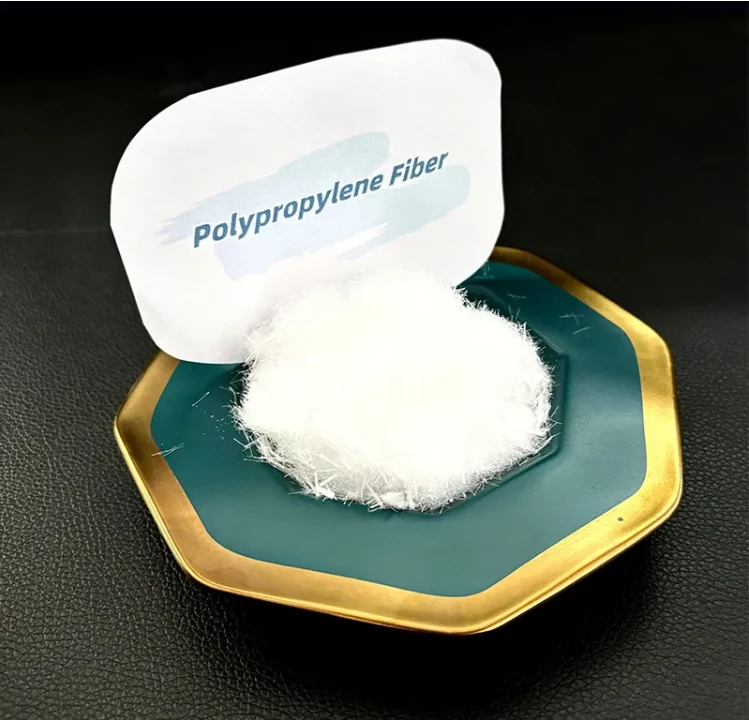




The Cost of Polypropylene Fiber An Overview Polypropylene fiber, derived from the polymerization of propylene monomers, is a synthetic material that has been gaining traction in various industries due to its unique properties and cost-effectiveness. As the demand for durable and versatile materials rises, so does interest in understanding the cost implications associated with polypropylene fiber. This article aims to explore the factors affecting the cost of polypropylene fiber, its applications, and its overall economic impact. Understanding Polypropylene Fiber Polypropylene is one of the most widely used plastics in the world. It is recognized for its lightweight nature, chemical resistance, moisture-wicking capabilities, and structural durability. These characteristics make it an excellent choice for a variety of applications, including textiles, automotive components, and packaging materials. The resulting fiber is soft, resistant to staining, and can be produced in a variety of colors, further enhancing its usability in consumer products. Factors Influencing the Cost 1. Raw Material Prices The primary factor determining the cost of polypropylene fiber is the price of propylene, the primary raw material used in its production. Fluctuations in oil prices significantly impact the cost of propylene, as it is derived from fossil fuels. As global oil prices rise or fall, so too does the cost of polypropylene fiber. 2. Production Technology The method of production also affects costs. Advances in manufacturing technologies can streamline production processes and reduce costs. For instance, the implementation of more efficient machinery or environmentally friendly production methods can yield lower operational costs, which may be passed on to consumers. 3. Supply and Demand Like any commodity, the cost of polypropylene fiber is subject to the laws of supply and demand. In periods of high demand—such as during the surge in production of protective equipment during the COVID-19 pandemic—prices may increase sharply. Conversely, surplus production or a decline in demand can lead to lower prices. costo de fibra de polipropileno 4. Geopolitical Factors Political stability in oil-producing regions can affect the supply and price of propylene. Trade tariffs, sanctions, or conflicts can disrupt supply chains, leading to increased material costs, which in turn influence the cost of polypropylene fiber. 5. Market Competition The competitiveness of the polypropylene market also plays a vital role. The entry of new suppliers can drive prices down, while monopolistic conditions can lead to higher prices. The global nature of the fiber market means that competition from manufacturers in different regions can also affect local pricing. Applications of Polypropylene Fiber The versatility of polypropylene fiber allows for its use in numerous applications. In the textile industry, it is common in the production of carpets, upholstery, and outdoor fabrics due to its resistance to moisture and mildew. The automotive sector utilizes polypropylene fiber for interior components, as it is lightweight and aids in fuel efficiency. Furthermore, polypropylene fibers are utilized in geotextiles for soil stabilization, erosion control, and drainage systems. Economic Impact The economic implications of polypropylene fiber production extend beyond its cost. It supports a range of industries, creating jobs and stimulating economic growth. As manufacturers adapt to changing market dynamics and consumer preferences, innovative uses for polypropylene fiber continue to emerge, driving further demand. In conclusion, the cost of polypropylene fiber is influenced by a variety of factors including raw material prices, production technology, supply and demand dynamics, geopolitical conditions, and market competition. Its diverse applications and economic implications make it a significant player in the manufacturing landscape. As industries continue to seek sustainable and efficient materials, understanding these cost dynamics will be crucial for businesses and consumers alike in making informed decisions. The future of polypropylene fiber is undoubtedly tied to evolving market conditions and technological advancements, promising ongoing relevance in a rapidly changing world.
- 40000tons

Production
- 20+years

Experience
- 5000+㎡

Acreage

-

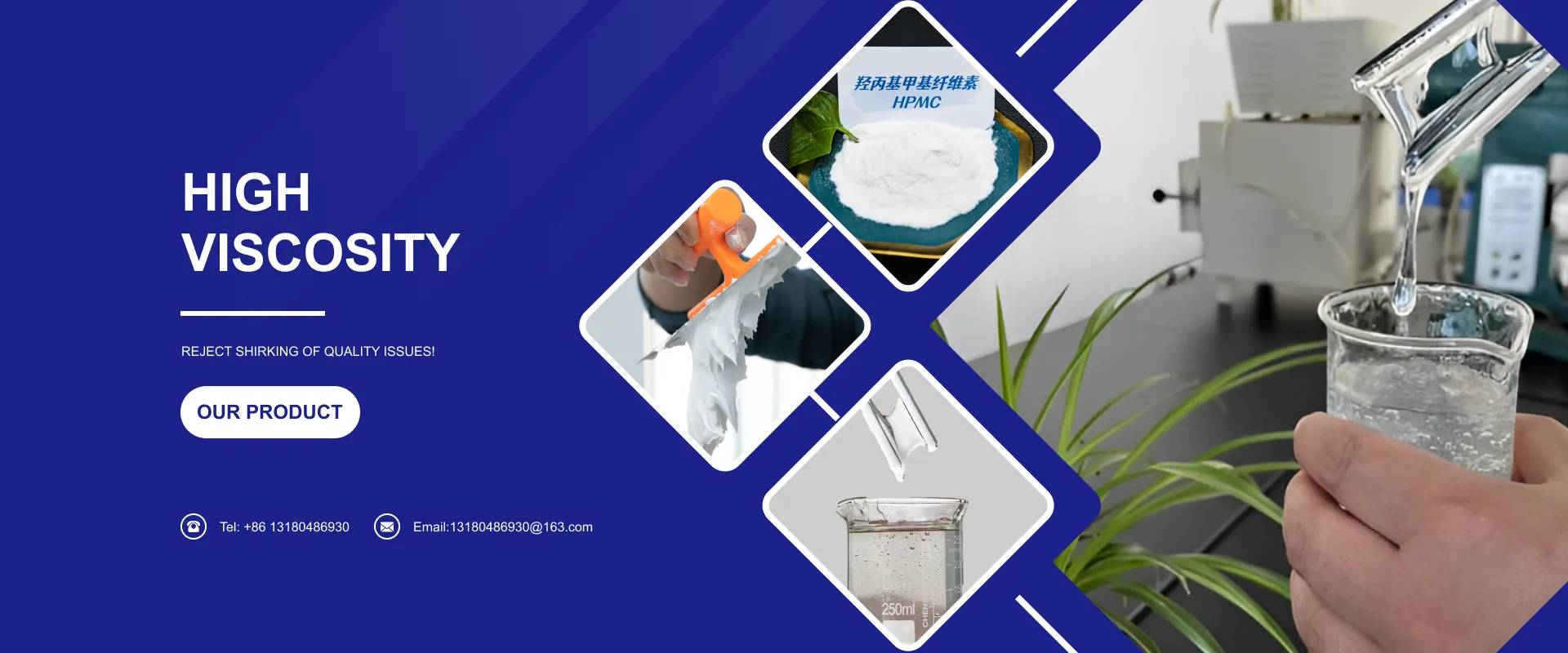
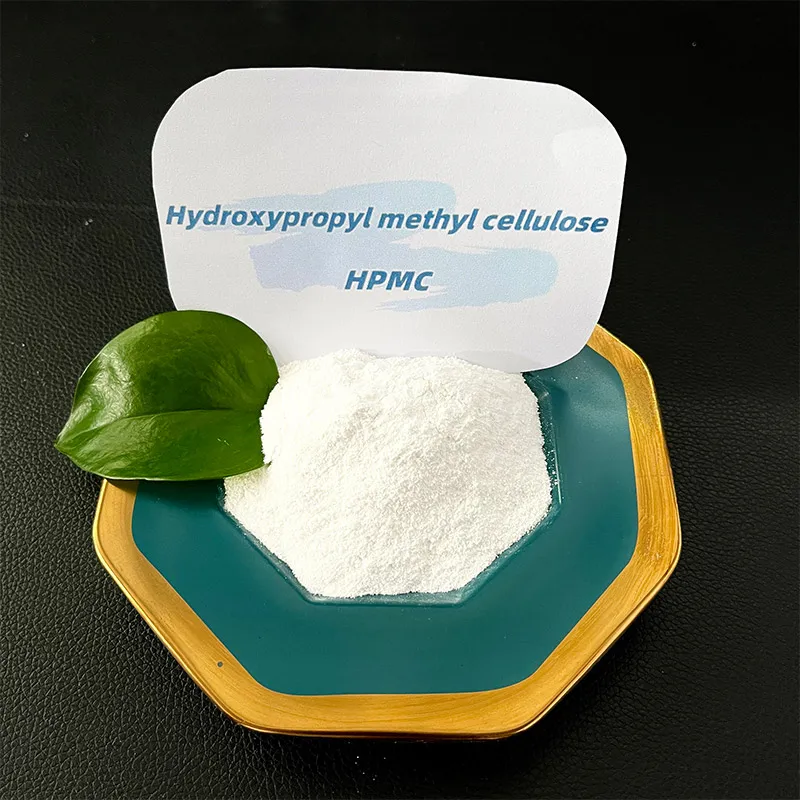
Understanding the viscosity of HPMC E5, or Hydroxypropyl Methylcellulose E5, is crucial for industries ranging from pharmaceuticals to construction. It plays a pivotal role in product formulation, performance, and quality. Viscosity, essentially the measure of a fluid’s resistance to flow, influences the behavior and stability of products comprising HPMC E5. HPMC E5 is renowned for its consistency in viscosity, a property that significantly affects its functionality. In the pharmaceutical industry, for example, the viscosity of HPMC E5 is a determining factor in controlling the release rate of active ingredients in extended-release formulations. This attribute ensures that medications deliver consistent therapeutic benefits over time, contributing to enhanced patient compliance and treatment efficacy. Expertise in handling HPMC E5 requires a deep understanding of how temperature, concentration, and molecular weight influence its viscosity. Research demonstrates that an increase in temperature can reduce the viscosity of HPMC solutions, which in turn impacts the product's stability and performance. Thus, storage and manufacturing conditions need meticulous control to maintain optimal viscosity . Moreover, in the construction industry, HPMC E5's viscosity is crucial for modifying the flow properties of cement-based materials. Its addition enhances the workability and water retention of cement, which is essential for uniform curing and increased strength of the final product. Builders and manufacturers rely on HPMC E5 to improve the consistency and adhesion of various construction materials. A noteworthy aspect is the role of HPMC E5 in the food industry, particularly in dietary products and gluten-free formulations. The viscosity it imparts helps in mimicking the texture and mouthfeel of gluten, offering a satisfactory alternative to traditional wheat products. This not only enhances the sensory attributes but also boosts the nutritional profile by supporting gut health due to its fibrous nature. hpmc e5 viscosity From an authoritative standpoint, understanding the regulatory standards governing HPMC E5 application is vital. Its GRAS (Generally Recognized As Safe) status by the FDA assures its safe use across different industries. Businesses seeking to integrate HPMC E5 into their products must align with regulatory guidelines to capitalize on its benefits while ensuring consumer safety and trust. Practical experience with HPMC E5 highlights the importance of comprehensive testing and quality assurance protocols. These measures are imperative to ensure the consistency of viscosity from batch to batch, which in turn guarantees the reproducibility of product performance. Companies invest in advanced rheological studies to tailor HPMC E5 solutions that meet specific viscosity requirements for diverse applications. Trustworthiness in implementing HPMC E5-related solutions comes from empirical evidence and successful case studies. Companies document and share real-world applications and outcomes where controlling viscosity with HPMC E5 has led to significant improvements in product quality. These documented experiences serve as a foundation of trust for stakeholders evaluating the incorporation of HPMC E5 in their product lines. In summary, HPMC E5 viscosity is a cornerstone attribute that impacts multiple facets of product development across various industries. Mastery in managing its viscosity enhances the functionality and efficacy of pharmaceutical formulations, improves construction material properties, and optimizes the sensory and functional characteristics of food products. Its well-documented safety and regulatory approval further bolster its credibility, making HPMC E5 a valuable asset in innovative product development.
-
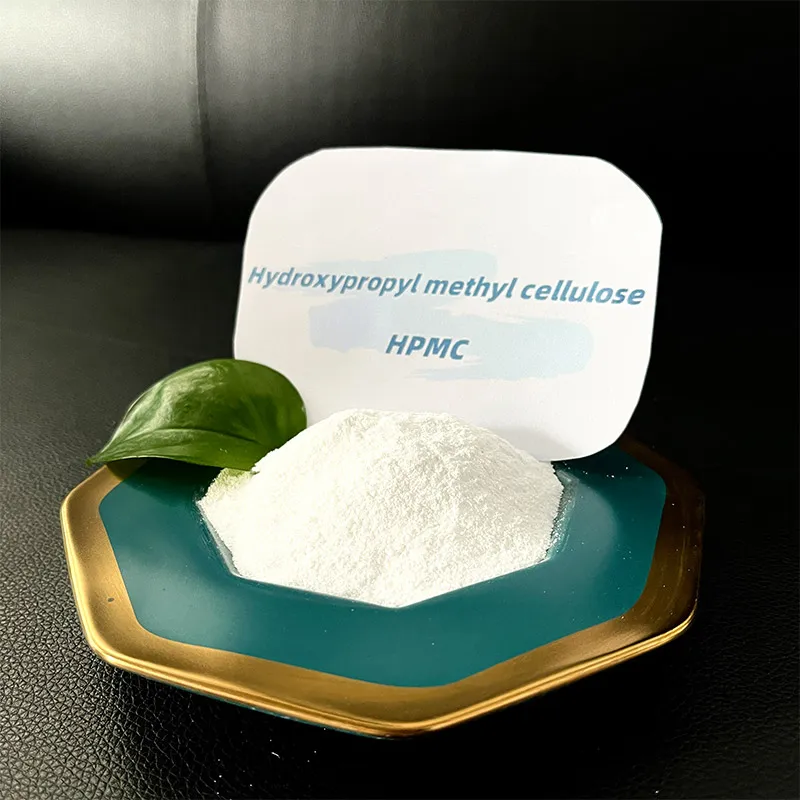
As industries evolve, innovative materials like chlorinated rubber powder are revolutionizing manufacturing processes and product development. From coatings to gloves, this versatile material ensures durability, flexibility, and enhanced performance across applications. Understanding how rubber powder price and related technologies impact your business is key to staying ahead. The Role of Rubber Powder Price in Industry Growth The rubber powder price plays a crucial role in determining the accessibility and profitability of various industrial applications. As a cost-effective material, chlorinated rubber powder is widely used in manufacturing paints, coatings, and adhesives. Its resistance to water, chemicals, and abrasion ensures long-lasting performance, making it a staple for industries like construction, automotive, and marine. Monitoring fluctuations in the rubber powder price is essential for manufacturers aiming to maintain competitive pricing while ensuring product quality. Bulk purchases and advances in production techniques have made this material more affordable, enabling small and large-scale businesses to benefit from its remarkable properties. Chlorinated Rubber Powder: A Game-Changer in Coatings One of the standout applications of chlorinated rubber powder is in the development of high-performance coatings. Its exceptional resistance to chemicals and harsh environments makes it a preferred choice for industrial and marine coatings. These coatings protect structures from corrosion, extending their lifespan and reducing maintenance costs. In addition to durability, chlorinated rubber powder enhances the adhesion of coatings to various surfaces, including metals and concrete. This versatility allows industries to tackle challenges posed by extreme weather conditions or heavy industrial use. With its cost-to-performance ratio closely linked to the rubber powder price , businesses can achieve premium finishes without exceeding budget constraints. Rubber Accelerator Free Gloves: Ensuring Safety and Comfort The demand for rubber accelerator free gloves is growing, driven by the need for hypoallergenic and environmentally friendly alternatives. These gloves, free from chemical accelerators, are safer for individuals with sensitive skin or allergies, making them ideal for healthcare, food handling, and industrial use. Chlorinated rubber powder contributes to the production of these innovative gloves by enhancing their flexibility and durability. Unlike traditional gloves, which may degrade quickly or cause discomfort, those made with rubber accelerator free gloves technology provide exceptional protection and comfort. This breakthrough not only supports worker safety but also aligns with global efforts toward sustainable manufacturing practices. Balancing Quality and Cost with Rubber Powder Price For manufacturers, balancing quality and cost is a constant challenge. By leveraging the benefits of chlorinated rubber powder , businesses can optimize product performance while maintaining competitive pricing. The rubber powder price is influenced by factors like raw material availability, production efficiency, and market demand. To remain competitive, many industries are adopting advanced technologies that improve the cost-efficiency of chlorinated rubber powder production. Innovations in recycling and sustainable sourcing have also contributed to stabilizing the rubber powder price , making it accessible for a broader range of applications. Elevate Your Products with Chlorinated Rubber Powder Whether you’re in the coatings, automotive, or safety equipment industry, chlorinated rubber powder offers unparalleled advantages. Its resistance to harsh conditions, compatibility with various materials, and cost-effectiveness tied to the rubber powder price make it an indispensable material for innovation. Additionally, the rise of rubber accelerator free gloves showcases how this material is driving progress in safety and environmental responsibility. By incorporating chlorinated rubber powder into your processes, you can enhance product quality, meet customer expectations, and contribute to a more sustainable future.
advantages
-

200000 Viscosities
Excellent product
We can produce pure products up to 200,000 viscosities
-

40000 tons
High yield
We don’t stop production all year round, and the annual output can reach 40,000 tons
-

24 hours
Quality service
We provide 24-hours online reception service, welcome to consult at any time
———— Inquiry Form
Schedule A services



-
 hpmc_tile_adhesive
Oct . 25, 2025
Exploring the Intricacies of Hydroxyethyl Starch (HES) A Critical Product Insight Hydroxyethyl starc -
 hec_vs_hpmc
Oct . 25, 2025
Hydroxypropyl methylcellulose (HPMC) is a versatile product that has gained tremendous attention acr -
 hpmc_buy
Oct . 25, 2025
When we think of wood, we often focus on its structural properties, such as strength and durability.


